

What does professional development look like for freelance travel writers?
Helen Ochyra on how professional development in her two-decade-long career

Our next mid-career travel writers’ retreat is bookable now! Taking place from 8-11 February 2027 in the Cotswolds, we’ll spend three nights networking, sharing intel, diving into who is publishing what, and enjoying the English countryside. It’s all private ensuite rooms with dinner and breakfast included.
My kids’ school was closed the other week for a staff training day. Annoying? Absolutely. But something we all understand is necessary? Well, yes.
And yet when it comes to travel writing — and, I’d wager, freelance journalism in general — most of us don’t take the same sort of time out for career development. Frankly, I find this to be madness.
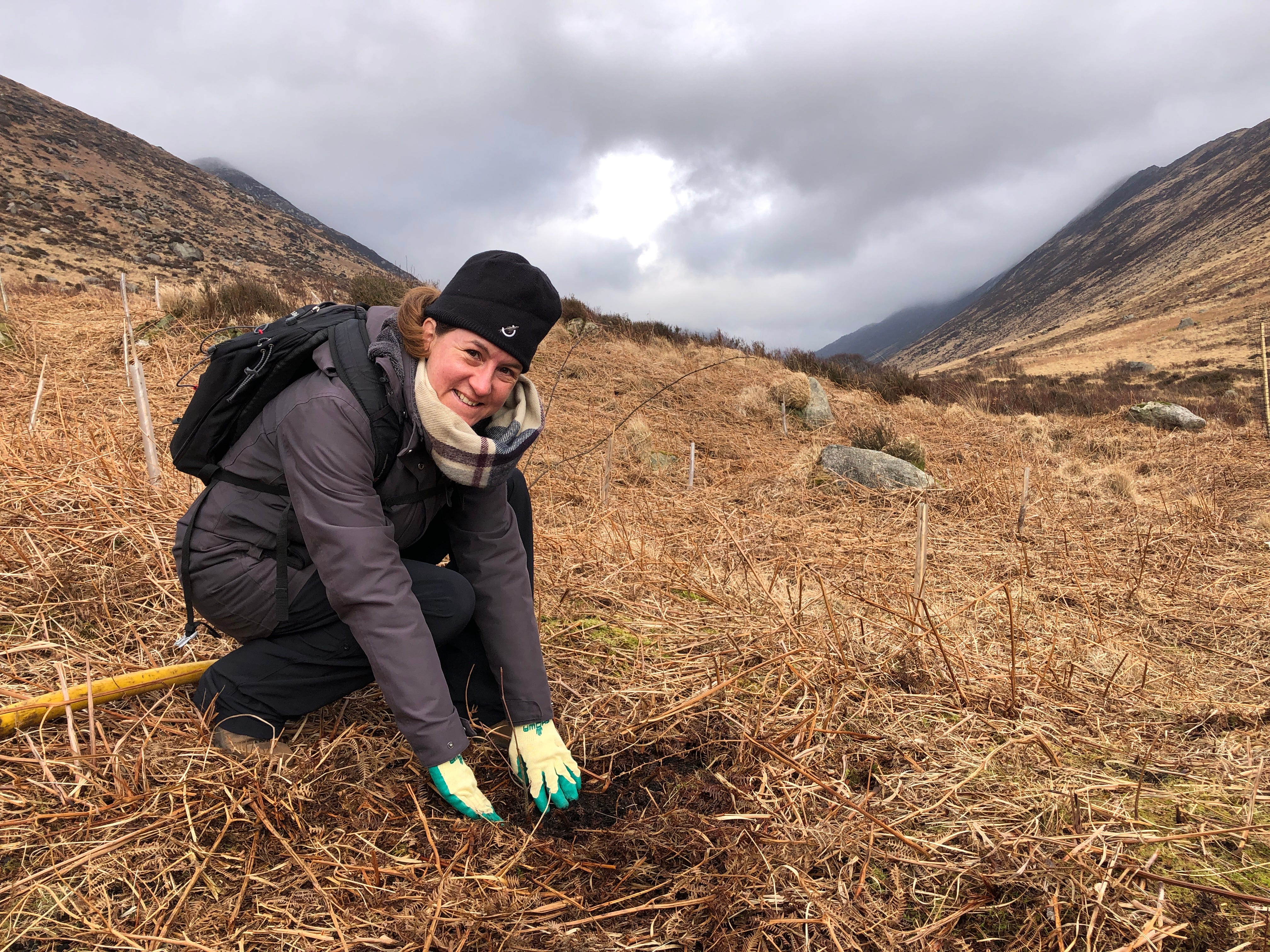
For me, 2026 marks 20 years in the industry and across two decades of making this crazy career choice somehow work for me, I’ve undertaken tons of training. I’ve done one-day in-person courses on everything from subediting to money management, sat through dozens of webinars and read a stack of books on topics as diverse as how to improve my sentence construction to how to set boundaries. I have never found any of it to be a waste of time.
My most recent investment was a weekend in Cornwall, joining Lottie and Steph on the first Talking Travel Writing mid-career writers’ retreat. I’ll be honest: partly I wanted an excuse to escape the kids and sit in a hot tub. But I also knew it would be beneficial for my career.
Firstly, I knew that everyone there would be able to teach me something. I truly believe that we can learn from anyone and that it has absolutely nothing to do with age or level of experience. Yes, I was the most experienced travel writer there (if we’re going by number of years in the game) but I went into the weekend with an open mind and ready to listen.
In one session we read each other’s pitches and I picked up several useful tips and tricks — as well as the reassurance that I am in fact coming up with decent ideas. In another I was reminded of the importance of always chasing up, even for a fourth or fifth time, while in discussing outlets we had each recently discovered, I learned about a whole host of titles I hadn’t even heard of. And in those hot tubs? Well, of course there was plenty of venting – not least about editors who simply never respond (surprise: it doesn’t only happen to me).
Mid-career travel writer retreat 2027

Book onto the next TTW mid-career travel writers' retreat in the Cotswolds, taking place from 8-11 February 2027.
But I also knew that my investment (time and money-wise) wasn’t just about specific lessons I could learn from talking to other travel writers. It was also about ring-fencing that time to think about my career. And that’s the thing we almost never do.
Increasingly, everyone is busy busy. On their phone, in their inboxes, firefighting requests and queries and questions. There’s no time to think about anything much, and certainly not about what we actually want to achieve.
This is what training is really about. It’s taking the time to step back, look at what we’re actually doing and decide whether it’s working for us. Because for us career development isn’t about promotion and pay rises — these don’t exist, as such — but about getting closer to the life we pictured when we started out.
For me at least, the goal isn’t writing for a new outlet or winning another award, it’s about doing work that I enjoy and that I feel passionate about. It’s also about freedom, both in being able to go on the trips I want to go on, but also in continuing to be in charge of my own time. Having a clock-watching boss remains my worst career nightmare.
Success may look different for everyone, but I believe that everyone would benefit from knowing what it looks like for them — and making sure they are moving in the right direction. And that takes time to figure out.
So, what would I recommend? Well, obviously I’d recommend checking out the next Talking Travel Writing retreat (at which I am already lined up to lead a session) but I’d also highlight this list of things that have worked for me. It is neither an exhaustive list, nor one targeted only to travel writers, but it’s hopefully a good place to start.
Webinars
Travel Writing Webinars
Meera Dattani’s series of webinars has covered everything from pitching better to protecting your mental health.
Women in Journalism
Regular webinars on topics such as how to pitch to particular outlets and the best ways to use AI. These run live, when you can ask questions, but are also recorded. Most are open to everyone, including men.
The Masterclasses by National Geographic Traveller
In the past, these online sessions have featured experienced travel writers and editors from the magazine discussing what makes a great travel feature. No confirmed future dates at the moment but worth looking out for.
Books
Essentialism: The Disciplined Pursuit of Less by Greg McKeown.
How to focus on what truly matters and eliminate what doesn’t. This is the book that made me commit to writing one myself (Scotland Beyond the Bagpipes).
Busy: How to Thrive in a World of Too Much by Tony Crabbe
If you’re convinced that you’re too busy to read this book, start with the 12-page Preface. It’s called Busting Busy and it’s not an exaggeration to say it changed my life.
The Latte Factor: Why You Don’t Have to be Rich to Live Rich by David Bach and John David Mann
A short book that can be read in only an hour and makes you realise you can be a travel writer and still feel wealthy.
Want more travel writing tips to get your teeth into? Check out Meera Dattani’s webinar series on travel writing here — new webinars are coming, too, so keep an eye out here for announcements. Our online course has tonnes of tips and advice, too — head to our shop here.
 | A guest post by
|
Thanks for sharing, Helen. I'm not a seasoned travel writer like you, but I am a seasoned freelance writer who has been looking to dip my toes in the travel-writing waters while I'm in France (living here for a while because of my wife's graduate program). I started pitching a couple of months ago and got a bite for a personal essay. Other than that, silence and rejections. As a longtime writer, I'm no stranger to that experience, but I do wonder if "breaking into" travel writing is too much of a slog for it not to be my full-time commitment. Most of my income comes from technical writing, which I intend to continue, though I supplement with some political writing and personal essays. In other words, I'm trying to add travel writing to my repertoire, but I wonder if that may be too ambitious. Apologies for the lengthy comment. This has been on my mind lately, and your post prompted reflection.